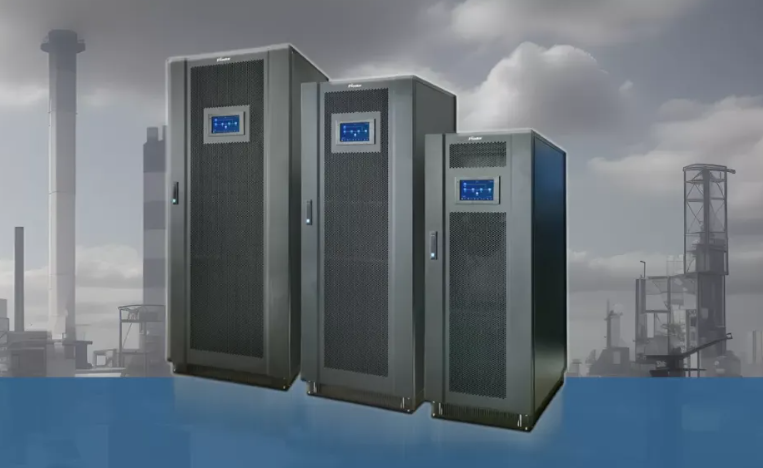
In today’s fast-paced digital environment, continuous and reliable power is crucial. Whether for businesses, medical facilities, or home offices, unexpected power interruptions can lead to data loss, hardware damage, and operational downtime. This is where uninterruptable power supplies come into play, providing a seamless power backup solution that safeguards electronic equipment from unexpected outages and voltage fluctuations.
What Are Uninterruptable Power Supplies?
An uninterruptable power supply is an electrical device designed to provide backup power to electronic devices when the main power source fails. Unlike a standard power backup or generator, a UPS offers instant power, ensuring that connected devices continue to function without interruption. This is particularly essential for sensitive electronics like computers, servers, and medical equipment, which can be damaged or lose data during sudden power outages.
See also: Parents’ Guide: How to Know If Your Child’s Fever Needs Treatment
How Do Uninterruptable Power Supplies Work?
A UPS system works by storing electrical energy in batteries or supercapacitors and converting it into AC (alternating current) electricity when the primary power source fails. There are three primary types of UPS systems:
- Offline/Standby UPS
This is the simplest and most cost-effective UPS. It stays idle until a power outage occurs, then switches to battery power almost instantly. It is suitable for personal computers and small office setups. - Line-Interactive UPS
This type offers voltage regulation in addition to battery backup. It compensates for minor power fluctuations without switching to battery power, extending battery life and maintaining stable output for sensitive devices. - Online/Double-Conversion UPS
The most advanced type, an online UPS continuously converts incoming AC power to DC and then back to AC. This ensures a consistent, clean power supply without any transfer time, ideal for mission-critical systems like data centers and medical equipment.
Key Benefits of Using Uninterruptable Power Supplies
- Continuous Power Supply
A UPS guarantees uninterrupted power, preventing sudden shutdowns that could damage hardware or result in data loss. - Voltage Stabilization
Many UPS systems regulate voltage, protecting connected devices from surges, spikes, and brownouts. - Data Protection
For businesses, especially those relying on servers, a UPS ensures data integrity by providing enough time to save work and safely shut down equipment. - Extended Equipment Lifespan
By filtering electrical noise and maintaining steady voltage, a UPS reduces wear and tear on sensitive electronics. - Emergency Preparedness
During natural disasters or power grid failures, a UPS provides temporary power, keeping essential systems operational.
Choosing the Right Uninterruptable Power Supply
When selecting a UPS, consider the following factors:
- Power Requirements: Calculate the total wattage of devices to ensure the UPS can handle the load.
- Battery Runtime: Determine how long you need backup power during an outage.
- Form Factor: Rack-mounted or tower designs may be preferable depending on your space.
- Surge Protection: Check if the UPS includes surge and spike protection.
- Management Features: Some UPS systems offer software for monitoring battery status and automatic shutdown.
Maintenance Tips for Uninterruptable Power Supplies
Proper maintenance ensures your UPS functions reliably when needed:
- Test the battery regularly to ensure it holds a charge.
- Keep the UPS in a cool, dry environment to prevent overheating.
- Replace batteries as recommended by the manufacturer.
- Clean vents and fans to avoid dust accumulation.
- Monitor load levels to prevent overloading the system.
FAQs About Uninterruptable Power Supplies
Q1: How long can a UPS provide power during an outage?
A UPS typically provides power for a few minutes to an hour, depending on the load and battery capacity. This time is usually sufficient to save work or safely shut down equipment.
Q2: Can I use a UPS for my home appliances?
UPS systems are primarily designed for electronic devices. Using them for high-power appliances like refrigerators or air conditioners is not recommended.
Q3: Do UPS systems need regular maintenance?
Yes, checking battery health, ensuring proper ventilation, and monitoring load levels are essential for optimal performance.
Q4: Are all UPS systems noisy?
Most UPS systems are quiet, but larger, high-capacity models with active cooling may produce some fan noise.
Q5: What is the difference between a UPS and a generator?
A UPS provides instant backup power with no transfer time, while generators take time to start and are typically used for long-term power outages.
Conclusion
Uninterruptable power supplies are essential tools for protecting electronic devices and maintaining business continuity in a world where power interruptions are increasingly common. By choosing the right UPS system and performing regular maintenance, you can safeguard your equipment, preserve critical data, and ensure uninterrupted operations. Whether for a home office, small business, or large data center, investing in a UPS is a proactive step toward reliable power security.