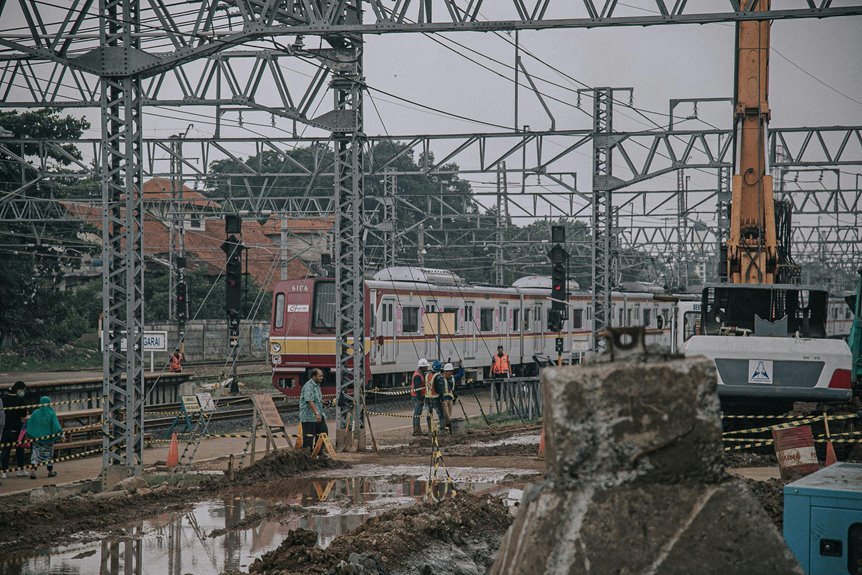
Inspecting line signals, such as those marked by the code 61738381215, is essential for ensuring system reliability. The process involves using specialized tools to detect potential issues before they escalate. Understanding the protocols and methodologies for secure inspections can significantly enhance operational efficiency. However, the intricacies of signal degradation and environmental factors warrant a deeper exploration of effective practices and tools. What measures can organizations implement to safeguard their communication systems?
Understanding the Importance of Signal Line Inspection
Although often overlooked, the inspection of signal lines is critical to maintaining system integrity and operational reliability.
Ensuring consistent signal reliability necessitates establishing an appropriate inspection frequency that mitigates potential failures. Regular assessments enable the identification of degradation or anomalies, fostering timely interventions.
Ultimately, prioritizing signal line inspection safeguards not only system performance but also promotes autonomy in operations by enhancing overall operational resilience.
Essential Tools for Assessing Line Signals
A comprehensive toolkit is essential for effectively assessing line signals, as the reliability of these signals directly impacts system performance.
Signal measurement tools, such as oscilloscopes and multimeters, provide critical data for evaluation.
Additionally, line testing equipment, including TDRs (Time Domain Reflectometers), facilitates the identification of faults and ensures optimal signal integrity, empowering professionals to uphold system efficiency and reliability in their operations.
Step-by-Step Guide to Secure Line Signal Inspection
Inspecting line signals requires a systematic approach to ensure accuracy and security throughout the process.
Technicians must first identify potential sources of signal interference, then employ appropriate inspection techniques to evaluate line integrity.
Following this, they should document findings meticulously, ensuring that any anomalies are addressed immediately.
This structured method not only secures the signals but also maintains operational reliability and fosters freedom in communication.
Best Practices for Maintaining Signal Line Integrity
Maintaining signal line integrity is fundamental to ensuring reliable communication systems.
Effective line maintenance practices, including regular inspections and prompt repairs, mitigate signal degradation. Implementing shielding techniques and ensuring proper termination further enhances line performance.
Additionally, maintaining optimal environmental conditions and using high-quality materials contribute to longevity. Adhering to these best practices empowers organizations to safeguard communication capabilities and foster operational freedom.
Conclusion
In conclusion, the secure inspection of line signals, such as those bearing the code 61738381215, is paramount for sustaining operational integrity. By employing essential tools and adhering to best practices, organizations can detect potential issues before they escalate, akin to a vigilant watchman safeguarding a fortress. This proactive approach not only enhances signal quality but also fortifies overall system performance, ensuring that communication remains seamless and reliable in an increasingly complex technological landscape.