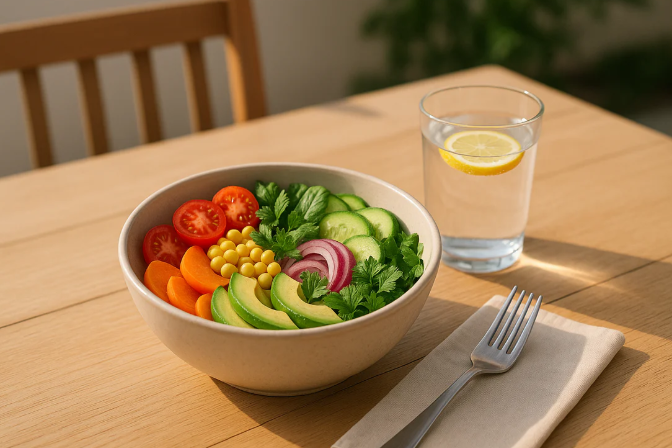
Healthy eating is often associated with nutrition labels, calorie counts, and ingredient quality. While these factors are important, another element frequently overlooked is flavor balance. Understanding how different foods and beverages interact can elevate a meal from merely nutritious to genuinely enjoyable. Developing this awareness encourages people to prepare healthy meals more often and gain greater satisfaction from the foods they choose.
Many home cooks spend significant time learning preparation techniques but devote less attention to how flavors complement one another. Yet flavor pairing can have a substantial impact on the dining experience. When ingredients work together harmoniously, meals feel more complete, making healthy eating habits easier to maintain over time.
Building flavor awareness does not require professional culinary training. It begins with observing how sweetness, acidity, richness, and texture interact during a meal. Through repeated experience, people learn to recognize combinations that enhance enjoyment while preserving the natural qualities of fresh ingredients.
For many food enthusiasts, learning to instinctively pair wine with seafood becomes an effective way to develop these sensory skills. Seafood often presents delicate flavors that respond noticeably to complementary beverages. Paying attention to these interactions encourages greater awareness of balance, texture, aroma, and overall dining harmony. The lessons gained extend beyond special occasions and can improve everyday meal planning.
Why Flavor Balance Matters
Flavor balance contributes significantly to meal satisfaction. A nutritious meal that lacks variety or harmony may feel less appealing, making healthy habits more difficult to sustain. Conversely, a well-balanced meal often feels more rewarding without requiring excessive portions or heavy ingredients.
Acidity, richness, sweetness, and freshness all play important roles. When these elements complement one another, the overall experience becomes more enjoyable. This is particularly valuable for individuals seeking healthier lifestyles because satisfaction can reduce the temptation to rely on highly processed foods for enjoyment.
Balanced meals also encourage mindful eating. Instead of rushing through a meal, people are more likely to appreciate the individual components and recognize how they work together. This awareness can support healthier eating behaviors and greater appreciation for ingredient quality.
See also: Verified Tech Hotline 08001116638 Reliable Business Support
Understanding the Role of Aroma
Aroma is one of the most influential aspects of flavor perception. Before food reaches the palate, aromas create expectations and shape the overall experience. Fresh herbs, citrus, spices, and naturally fragrant ingredients can dramatically influence how a meal is perceived.
Paying attention to aroma helps home cooks become more engaged during preparation. Simple adjustments such as adding fresh herbs at the right moment or incorporating citrus zest can transform a dish without adding significant calories. These techniques support healthier cooking while enhancing enjoyment.
Aroma also influences beverage choices. Certain beverages complement specific aromatic profiles, creating a more cohesive dining experience. Learning to recognize these relationships strengthens overall flavor awareness.
Texture and Dining Satisfaction
Texture contributes significantly to how people evaluate meals. Crisp vegetables, tender proteins, and creamy components each create distinct sensory experiences. A meal that combines multiple textures often feels more interesting and satisfying.
When planning healthy meals, texture should receive as much attention as flavor. Fresh salads paired with roasted vegetables or grilled proteins can provide contrast that keeps meals engaging. This variety helps maintain interest in nutritious eating patterns.
Texture also influences how foods interact with beverages. A lighter beverage may complement delicate foods, while fuller-bodied options may work better with richer preparations. Recognizing these relationships supports more thoughtful meal planning.
Building Confidence Through Observation
Developing flavor awareness requires practice and curiosity. Rather than focusing solely on recipes, home cooks can benefit from paying attention to their sensory experiences during meals. Noticing what works well and what feels unbalanced creates opportunities for continuous improvement.
Keeping simple notes can be surprisingly helpful. Recording favorite combinations, preparation methods, and ingredient pairings creates a personalized reference that grows over time. This process encourages active learning and greater confidence in meal planning decisions.
Confidence also develops through experimentation. Trying new ingredients, cooking methods, and complementary beverages helps expand culinary knowledge while making healthy eating more enjoyable.
Applying Pairing Principles Beyond Special Occasions
The skills developed when learning to instinctively pair wine with seafood can be applied to many other areas of cooking. Understanding how acidity balances richness, how aroma influences perception, and how texture affects satisfaction creates a stronger foundation for meal planning. These principles work equally well with vegetables, poultry, grains, legumes, and countless other ingredients. Rather than viewing flavor pairing as something reserved for formal dining, home cooks can incorporate these concepts into everyday meals. Small adjustments often produce noticeable improvements in enjoyment. As awareness grows, individuals become more comfortable creating balanced combinations that support both nutrition and satisfaction. This practical knowledge helps transform ordinary meals into more rewarding experiences without requiring complex techniques or expensive ingredients.
Encouraging Mindful Eating Habits
Mindful eating involves paying attention to the full dining experience rather than consuming food automatically. Flavor awareness naturally supports this practice by encouraging people to notice aromas, textures, and complementary elements within a meal.
When individuals slow down and engage their senses, they often develop a stronger appreciation for quality ingredients. This appreciation can encourage healthier choices and reduce reliance on heavily processed foods. Meals become experiences rather than routines.
Mindful eating also supports portion awareness. People who focus on flavor and satisfaction may feel content with appropriate serving sizes because the meal provides greater sensory fulfillment.
Creating Sustainable Healthy Routines
Long-term healthy eating depends on consistency. Meals that are both nutritious and enjoyable are easier to maintain over time. Flavor awareness helps bridge the gap between health goals and dining satisfaction by encouraging thoughtful combinations that enhance enjoyment naturally.
Rather than viewing healthy eating as restrictive, people can approach it as an opportunity to explore flavors, textures, and aromas. This positive mindset often leads to greater success and long-term adherence to healthy habits.
Making Every Meal More Meaningful
Every meal offers an opportunity to learn something new about flavor and balance. By paying closer attention to how ingredients and beverages interact, home cooks can strengthen their culinary instincts and create more satisfying dining experiences.
Healthy cooking is not only about nutrition. It is also about understanding sensory relationships, appreciating ingredient quality, and developing skills that make meals more enjoyable. These habits support lasting wellness while encouraging greater confidence and creativity in the kitchen.